
Article At A Glance
01. What the evidence covered
The review pooled 37 studies describing 655 NHS-treated patients (2011–2024), mostly after metabolic/bariatric (n=385) or cosmetic (n=265) surgery.
02. What stood out
Reported NHS costs up to £19,549 per patient , and up to 49-day inpatient stays were described after cosmetic surgery complications.
03.Who was most represented
Most patients were women (90%), average age 38 (range 14–69), with Turkey the most commonly reported destination (61%).
Executive Summary
Patient safety in facial plastic surgery is often discussed in relation to where treatment takes place and how it is regulated. A January 2026 investigation reported by The Guardian described research showing that the NHS has spent up to £19,549 per patient treating complications after surgery carried out overseas.
The study, published in BMJ Open, suggested that as many as 53% of UK patients who sought treatment abroad experienced complications such as infections, non-healing wounds, or organ failure.
In England, patient safety is addressed through a regulatory framework overseen by bodies including the General Medical Council (GMC) and the Care Quality Commission (CQC). This framework does not completely eliminate risk, but it sets standards for accountability, documentation, and governance.
What This Means in Practice
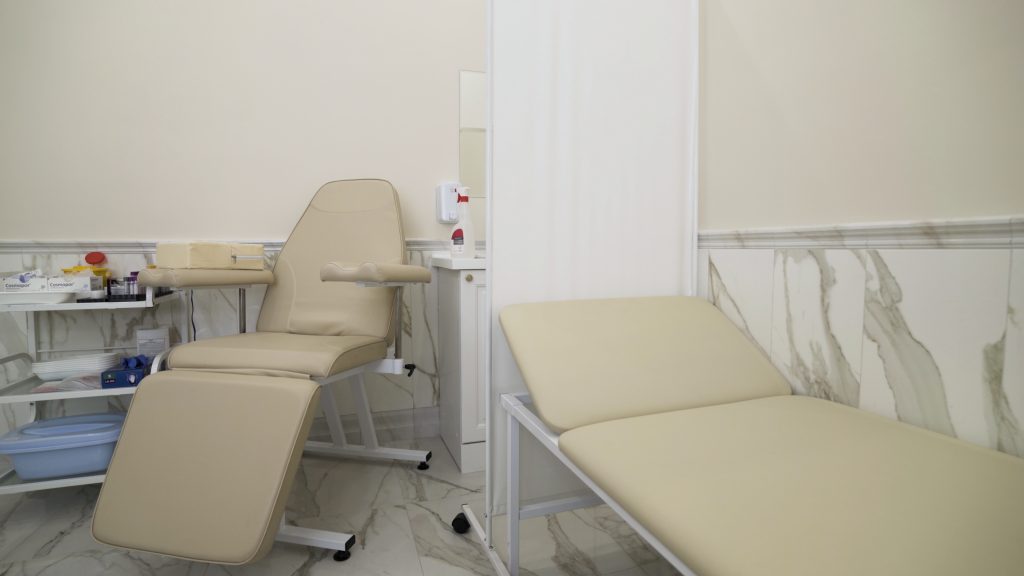
The Guardian article reported that NHS hospitals are often required to manage the consequences when overseas treatment leads to complications. According to the research, some patients required intensive care, additional surgery, and prolonged courses of antibiotics. Hospital stays were reported to last up to 45 days following weight loss surgery and up to 49 days after cosmetic procedures.
Clinicians quoted in the coverage described the difficulty of treating patients when details of the original operation, the provider, or the materials used were unavailable. In such situations, care is delivered reactively, often in emergency settings, rather than as part of a planned follow-up pathway.
Key Factors / Components
The research reviewed 37 previously published studies involving 655 patients treated by the NHS between 2011 and 2024 for complications linked to surgery abroad. Of these patients, 385 had undergone weight loss surgery and 265 had cosmetic procedures.
The cost to NHS hospitals of treating these complications ranged from £1,058 to £19,549 per case.
In England, patient safety is approached through overlapping systems:
- The GMC regulates doctors, focusing on education, professional standards, and fitness to practise.
- The CQC regulates healthcare facilities, assessing whether clinics and hospitals meet defined requirements for safety, staffing, governance, and quality of care.
These mechanisms are designed to provide structure and oversight rather than certainty.
How This Unfolds Over Time or By Type
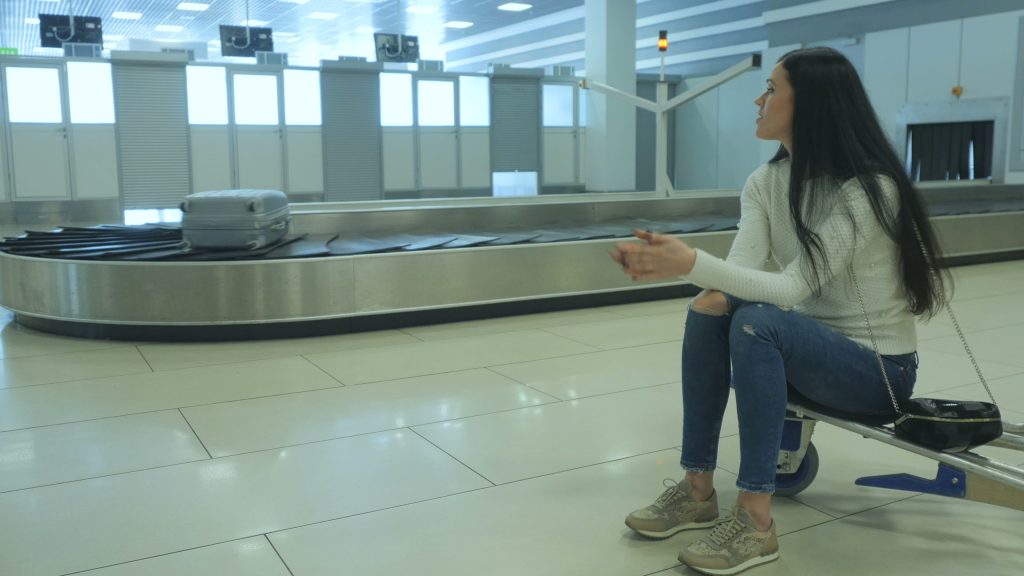
Medical tourism has said to have increased over the past two decades, this could be due to by lower advertised prices, cheap air travel, and online marketing by overseas providers.
The Guardian report noted that at least 348,000 Britons were estimated to have travelled abroad for medical treatment in 2022, although the true and exact figure is unknown to us (at the time of writing this article).
Women accounted for around 90% of medical tourists in the studies reviewed, with an average age of 38, though patients ranged from 14 to 69 years old. Turkey was identified as the most common destination, accounting for 61% of trips, with procedures including cosmetic surgery, eye surgery, dental treatment, and joint replacement.
Common Misunderstandings or Limits
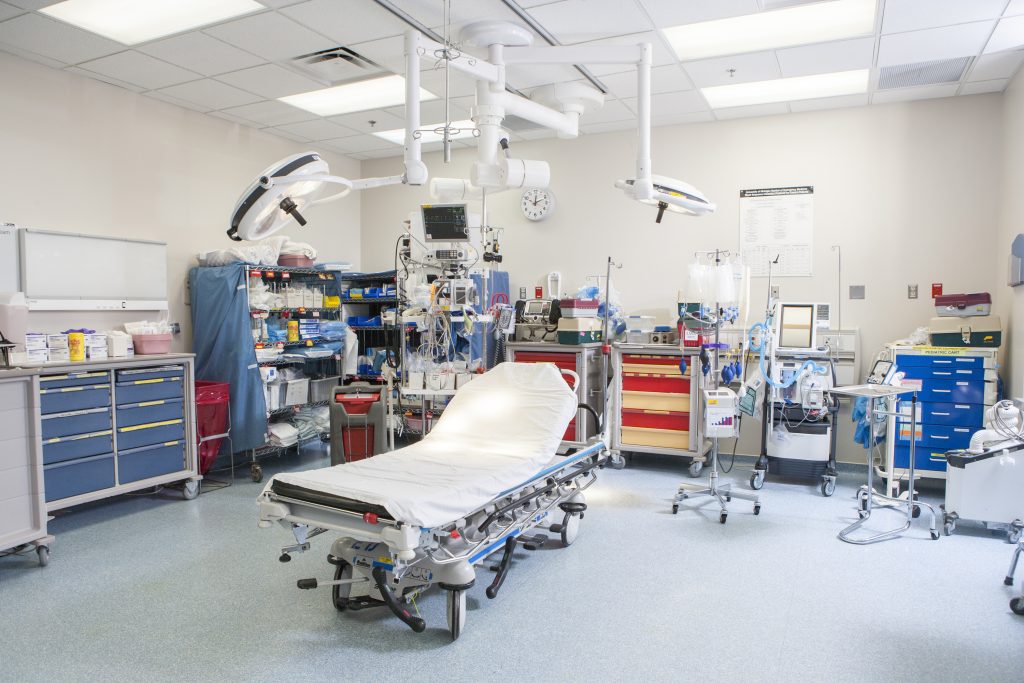
A frequent assumption is that regulation prevents complications from occurring. In reality, surgery of any kind carries inherent uncertainty, and regulated practice does not remove all risk. Instead, regulation defines how risks are managed, recorded, and reviewed when outcomes are not as expected.
Another misunderstanding is that all overseas treatment is unsafe. Standards vary widely between countries and providers. The research highlighted by the Guardian does not suggest that complications occur in all cases, but it does underline the challenges faced when complications arise and care must be transferred back into the NHS without necessarily transfer of full clinical information.
How This Relates to Other Topics
The findings reported by the Guardian sit alongside wider discussions about advertising, social media influence, and informed decision-making in cosmetic and aesthetic procedures. Representatives from professional bodies cited concerns about the role of online marketing and celebrity influence in shaping expectations.
Within England, various organisations facilitate access to regulated providers and surgeons. Emara Health which launched in January 2026, for example, facilitates bookings with Mr Sirhan Alvi, an NHS consultant and board-certified surgeon who performs facial plastic procedures, including upper blepharoplasty, rhinoplasty, and surgical mole removal, at a CQC-regulated facility in Hale with a Good overall rating.
Key Takeaways
- Research reported in January 2026 linked overseas surgery complications to significant NHS cost and hospital use.
- Up to 53% of patients in the reviewed studies experienced complications requiring NHS care.
- In England, patient safety is shaped by GMC and CQC regulation rather than guarantees of outcome.
- Regulation supports accountability and continuity when complications arise but does not eliminate risk.
References
The Guardian: NHS spending up to £19k a time treating people suffering after overseas surgery, research finds (Accessed 15th January 2026) – Denis Campbell, Health Policy Editor
BMJ Open: Complications and costs to the UK National Health Service due to outward medical tourism for elective surgery: a rapid review (Accessed 15th January 2026) – England C, Bromham N, Needham-Taylor A, et al BMJ Open 2026;16:e109050. doi: 10.1136/bmjopen-2025-109050
Disclaimer
This content is provided for general informational purposes only and does not constitute medical advice, diagnosis, or treatment. Website Terms & Conditions apply.
