
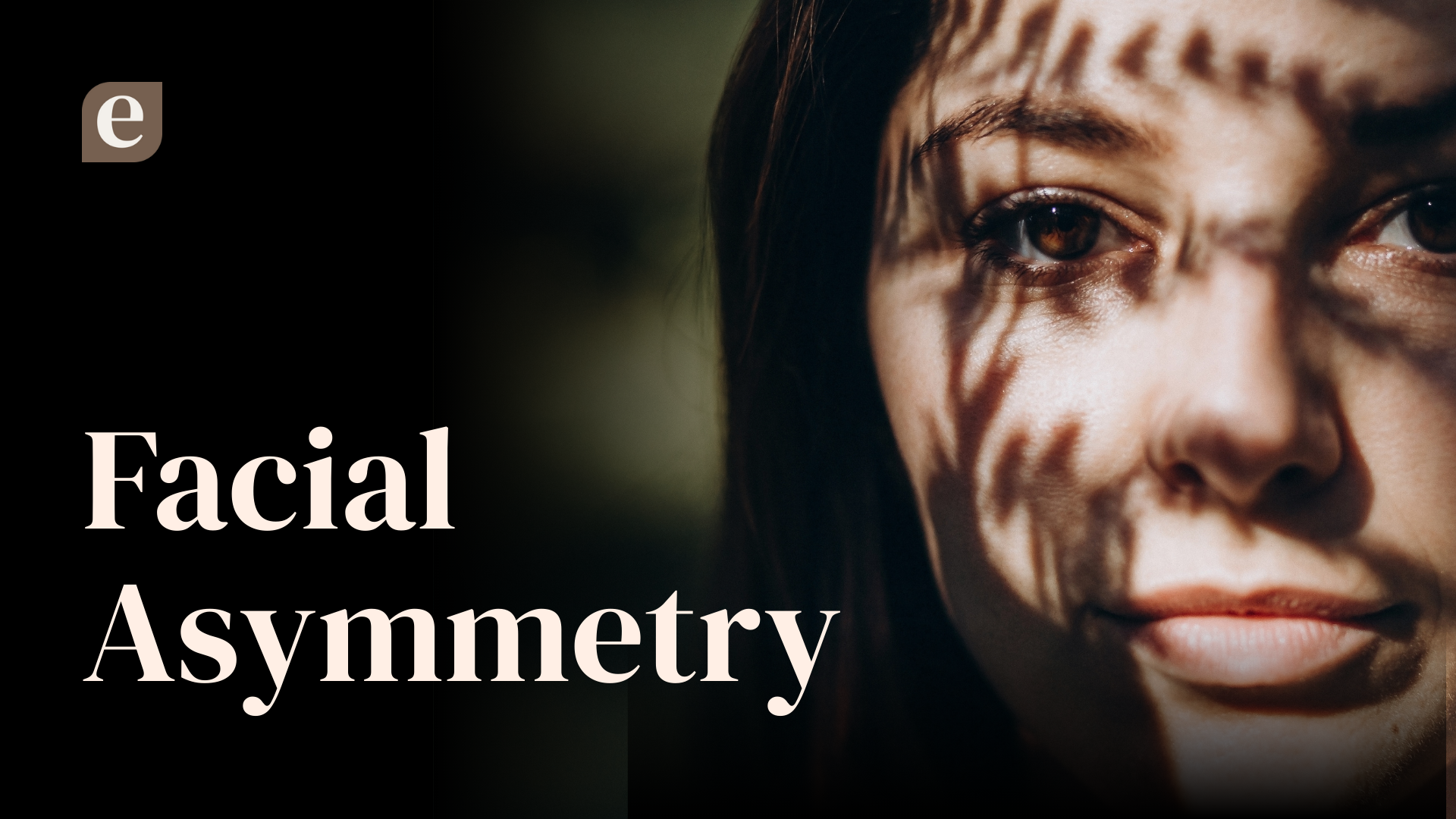
Facial asymmetry is common and may be influenced by genetics, ageing, or lifestyle factors.
People may notice asymmetrical features through simple mirror or photograph checks.
Facial imbalance can affect confidence and self-esteem, which leads some people to explore non-surgical treatments or facial surgery.
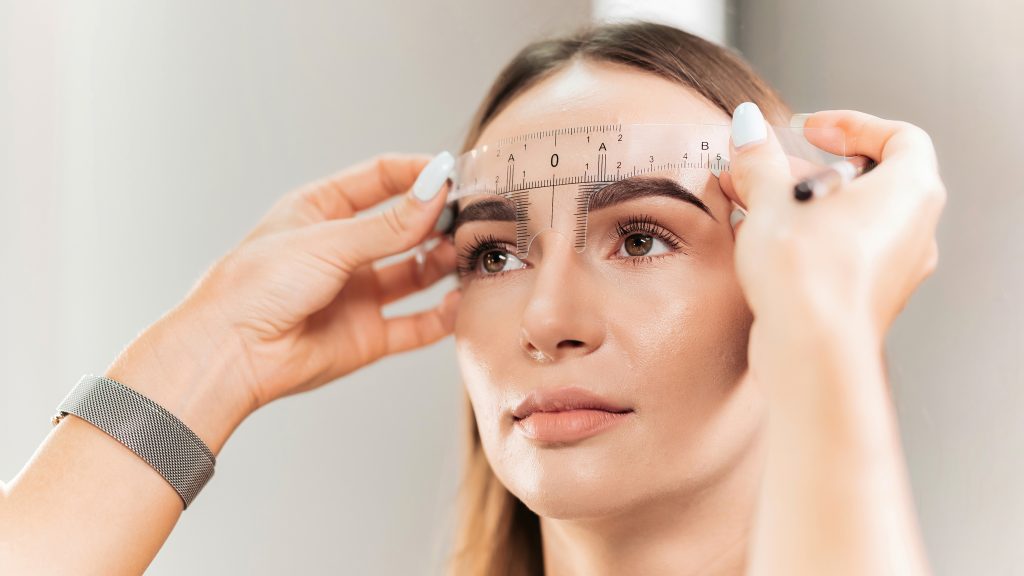
What Causes a Person’s Face to Be Asymmetrical?
Facial asymmetry to some degree is common, however noticeable imbalance can be a reason to significantly impact confidence and self-esteem.
Factors that contribute to an uneven facial appearance include:
- Genetics – Inherited traits from parents can contribute to an uneven facial appearance, for example, size and position of facial bones.
- Age – As we age, facial muscles can weaken and the skin loses elasticity. There can also be changes in the fat distribution. All of these age-related changes can contribute to asymmetrical facial features.
- Prolonged Sun Exposure – This can contribute to uneven pigmentation, wrinkles and sagging skin. These effects are often uneven, as different areas of the face receive varying levels of sun exposure over time.
- Smoking – Smoking speeds up the ageing process and can contribute to an asymmetrical face due to reduced blood flow to the skin. This can lead to an uneven skin texture and wrinkles, with some areas of the face affected more than others.
- Weight Loss – In some cases can lead to volume difference in the face or make existing asymmetry more noticeable.
- Injury to the Face – Injuries can affect bone structure or soft tissue, which may alter facial balance.
- Medical Conditions Certain conditions, such as stroke or Bell’s palsy, are associated with facial asymmetry.
How People Check Facial Symmetry at Home
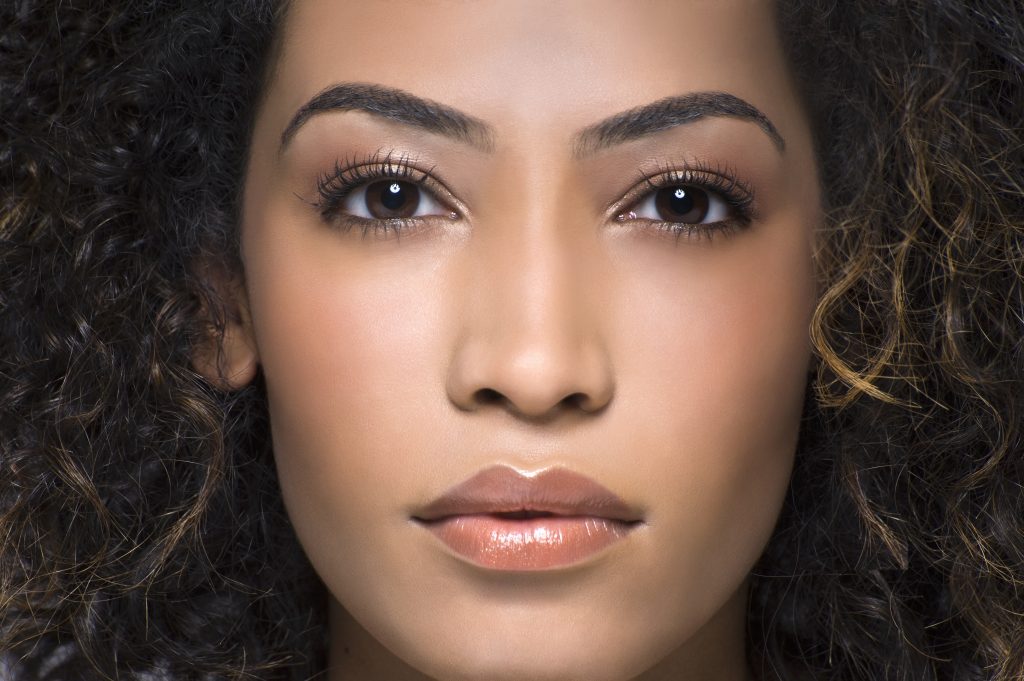
Mirror Check: A simple check to assess the visible symmetry of your face is to use a mirror to compare the left and right side of your face. Draw an imaginary line down the centre, and scan from top to bottom and assess portion by portion the left and right side of your face.
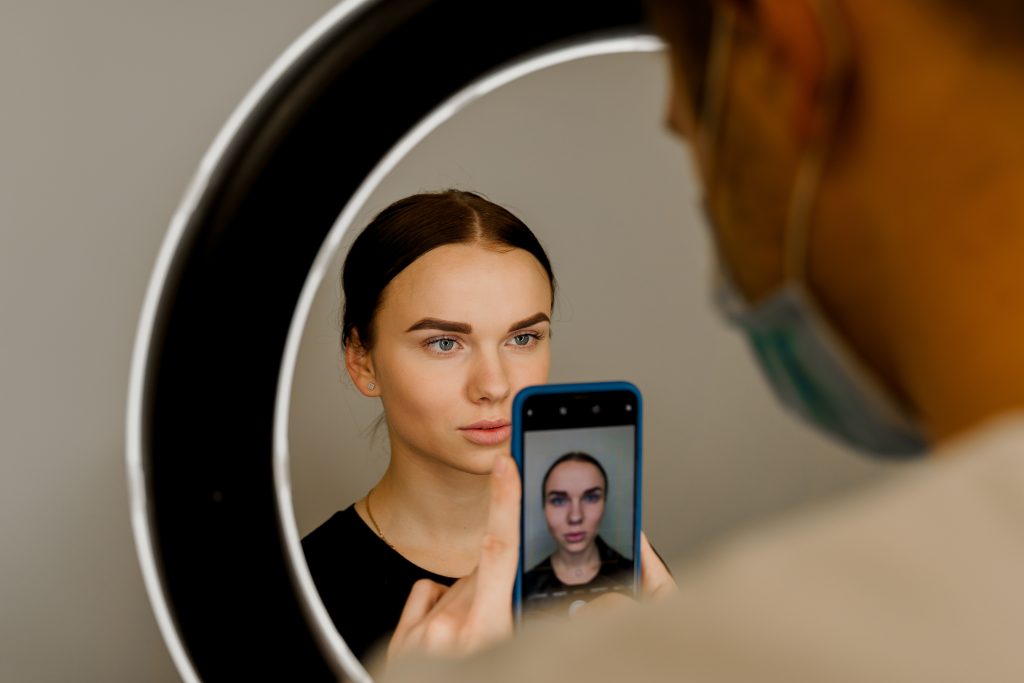
Photo Check: Alternatively, you can take a photo of your face and compare both sides of your face. If you print the photo, you can draw horizontal lines and check for symmetry.
Facial features and areas you may wish to compare:
- Forehead peak
- The crease at the far side of your eyes
- Upper eyelids
- Lower eyelids
- Widest point on your face
- Widest part of your nostrils
- Where your lips start at the sides
- Where your eyes start next to your nose bridge
- Bottom of chin
Treatment Options Available In Hale and Greater Manchester
There are a variety of facial surgeries and non-surgical treatments that are available in Hale and Greater Manchester. It is important to undergo cosmetic treatment only after a consultation with a qualified healthcare professional.
Mr Sirhan Alvi is a board certified ENT (Ear, Nose and Throat) Consultant and Facial Plastic Surgeon with 15 years experience practising medicine.
In Hale he is able to perform a wide range of facial procedures including: upper blepharoplasty, lower blepharoplasty, lip lift and surgical mole removal. Prior to booking surgery, he offers people a free virtual consultation.
Blepharoplasty (Eyelid Surgery)
Blepharoplasty, also known as eyelid surgery, is sometimes discussed in relation to eyelid asymmetry. The procedure involves the removal of excess skin from the upper and/or lower eyelids.
Nose Surgery
Nose surgery can also be performed to reshape the nose, and improve facial balance. Different types of nose surgeries can be used depending on the nature of the asymmetry and desired end results.
Surgical Mole Removal
The procedure typically involves removing the mole under local anaesthetic, with the aim of achieving a smooth, even result while minimising scarring. The approach used can vary depending on the size, location, and characteristics of the mole, as well as individual factors. In some cases, removed tissue may be sent for further examination as a precaution.
Non-Surgical Options
The effectiveness of non-surgical treatments to address facial asymmetry can vary person to person, however it is important to realise that typically the results are usually temporary.
Anti-Ageing Injectables
Anti-ageing injectables can help relax muscles and reduce the appearance of asymmetry relating to muscular imbalances.
Dermal Fillers
Injectable dermal fillers add volume and therefore help give a more balanced look to the face. This is by filling areas that may appear sunken e.g. cheeks or under-eye area.
Disclaimer
This content is provided for general informational purposes only and does not constitute medical advice, diagnosis, or treatment. Website Terms & Conditions apply.
